Canopia in Bordeaux: The Renewal of the Saint-Jean District

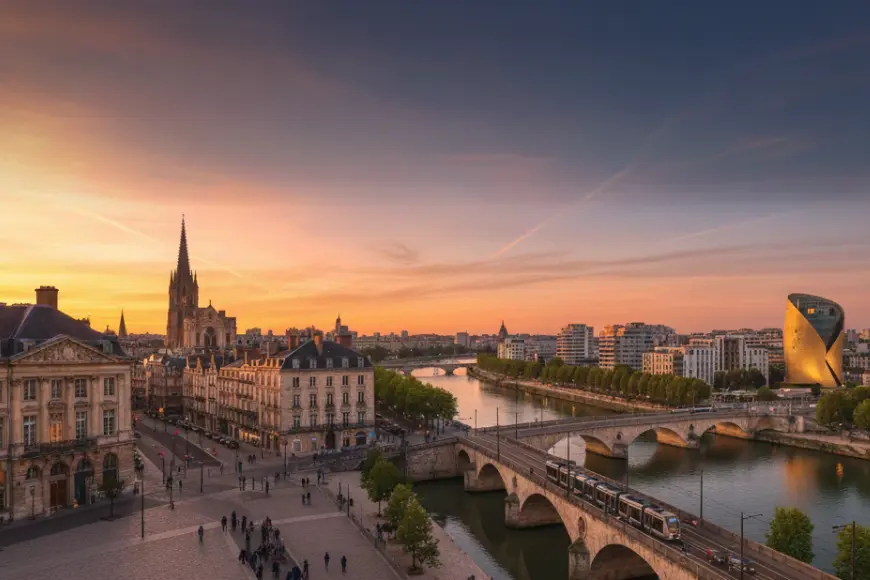
Located between Saint-Jean train station and the Garonne River, Canopia is reshaping the southern gateway to Bordeaux by creating an open, lively, and accessible neighborhood.
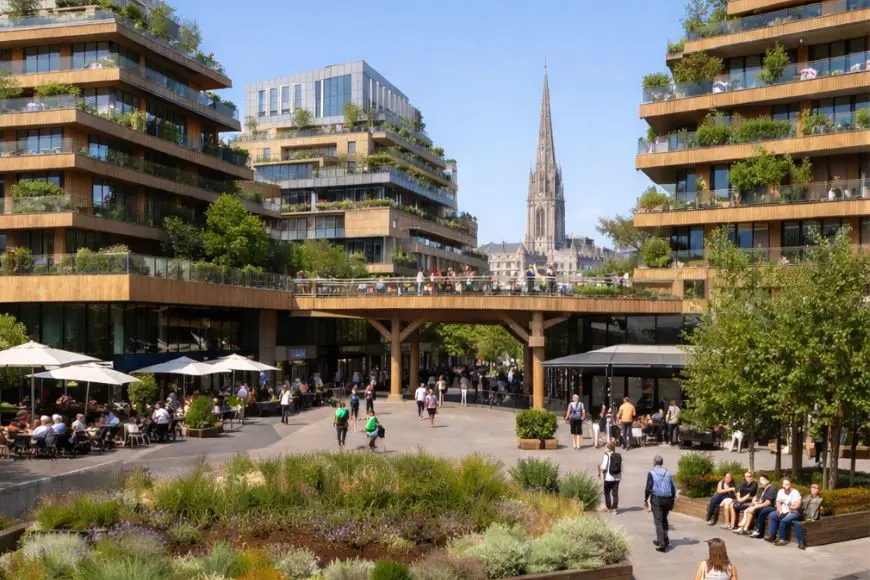
Designed as a true place to live, it combines housing, shops, green spaces, and public venues, where bars, restaurants, and hotels play a key role in bringing the area to life.
Less than a ten-minute walk from Hôtel La Zoologie, Canopia is part of a local, human-scale dynamic, at the heart of a Bordeaux undergoing major transformation.
Canopia Bordeaux: A District Undergoing Major Development
Long considered a transition area between the train station and the river, the district is now experiencing a profound transformation. Canopia represents a new milestone in the evolution of the Saint-Jean neighborhood, offering a more legible, open, and pleasant urban environment.
The project is based on a clear spatial organization that encourages mixed uses. Ground floors host shops, cafés, restaurants, and social spaces, while upper levels are dedicated to housing, offices, and hotels in Bordeaux, creating continuous activity throughout the day.
A Strategic Location Between Saint-Jean Station and the Garonne
Canopia covers four hectares in a highly visible location right outside the train station. This positioning makes it a natural crossroads for travelers, local residents, and visitors heading toward the riverfront.
The future Cours Saint-Jean will directly link the station to the Garonne via a 600-meter tree-lined promenade. This structuring axis will become a lively walking route, punctuated by terraces, shops, and relaxation areas, naturally extending the city center experience toward the south.
A Project Led by Bordeaux Euratlantique and Apsys
The district is being developed by Bordeaux Euratlantique and Apsys, in collaboration with architect Maison Édouard François and landscape designer Michel Desvigne. Their approach focuses on carefully integrating the project into the existing urban fabric, without disrupting Bordeaux’s architectural identity.
The ambition is to create a sustainable, readable, and welcoming district where urban functions complement each other naturally. Hotels, bars, and restaurants fully contribute to this vision by activating public spaces and encouraging social interaction.
Where Exactly Is the Canopia Bordeaux District Located?
Canopia is located in the southern part of Bordeaux, between Saint-Jean train station and the Garonne River, at the junction between the historic city center and the new developments of Bordeaux Euratlantique. Its position makes it a natural link between neighborhoods with complementary uses.
A Natural Connection to the City Center and the Riverfront
Thanks to the future Cours Saint-Jean, the district will benefit from a direct and seamless connection between the train station and the riverfront. Pedestrian and cycling routes will be prioritized, offering a pleasant alternative to traditional road traffic.
A Key Area in the Renewal of Southern Bordeaux
Canopia is part of a broader set of major projects gradually transforming the south of Bordeaux. It complements ongoing developments around Halle Boca, Le Belvédère, and the banks of the Garonne.
The Key Advantages of the Canopia Bordeaux District
Canopia offers an urban approach focused on comfort, conviviality, and high-quality everyday uses.
The Future Cours Saint-Jean, a 600 m Structuring Axis
The true backbone of the district, Cours Saint-Jean will connect the train station to the river via a wide pedestrian promenade. Lined with shops, bars, and restaurants, it will become a lively space designed for social interaction and neighborhood life.
A Green District with Squares, Esplanades, and Cool Islands
Green spaces play a central role in the project. Planted squares, shared gardens, and shaded areas provide welcome breathing spaces, encouraging calm and comfortable use of public areas for both residents and visitors.
Sustainable Architecture Inspired by Haussmannian Style
The architecture draws inspiration from Bordeaux’s traditional codes, particularly stone façades and Haussmannian proportions, while incorporating sustainable materials and bioclimatic principles. This approach ensures aesthetic continuity with the rest of the city, without imitation.
Canopia in Bordeaux: What Does the New District Include?
Canopia brings together a wide range of functions designed to create a district that is active at all times of the day.
Housing and Student Residence
Approximately 6,000 m² are dedicated to residential use. The buildings include family housing and a student residence, complemented by local services that support everyday life.
Offices, Retail, and Hotel Offer
The project includes more than 6,000 m² of office space and nearly 30,000 m² of shops, cafés, and restaurants. The hotel offer plays a central role in the district’s vitality, welcoming travelers and visitors in venues open to the city, often extended by bars and restaurants accessible to everyone.
Descas Park and 12,000 m² of Active Gardens
Descas Park forms the green heart of the district. Its 12,000 m² of active gardens will host vegetable plots, orchards, and shared spaces, encouraging collective use and community involvement.
The Tauzia Landmark Building Facing the Garonne
On the river side, the Tauzia building, recognizable by its glass brick façade, will mark the entrance to the district. Visible from the train station, it symbolizes the urban renewal of the area.
Construction Timeline and Progress of the Canopia District
Construction began in 2025 in the Descas sector. The district will be delivered in successive phases through 2027.
Construction Progress and Key Milestones
Deconstruction is complete, and the first construction phases are underway. Development of Cours Saint-Jean is progressing, with the first buildings expected to be delivered by the end of 2026.
The Project House: A Space for Local Residents
Located on Rue Saget, the Project House allows residents and users to follow the progress of the development through models, exhibitions, and discussion sessions.
Temporary Impacts on Traffic and Transportation
Access around the train station remains operational. Public transportation continues to serve the area efficiently, despite some temporary adjustments related to construction works.
What Are the Benefits for Residents and Users of the Canopia District?
Canopia aims to deliver tangible improvements to quality of life in the Saint-Jean neighborhood.
A New Local Lifestyle and Soft Mobility
The concentration of housing, shops, hotels, bars, and restaurants encourages short-distance travel and everyday activities on foot or by bicycle.
A Calmer, Greener Environment for Residents
Green spaces, shaded streets, and shared gardens create a more peaceful and pleasant environment while remaining well connected to urban flows.
A Modernized and More Attractive City Gateway
From the train station, views now open toward the Garonne. Canopia transforms the southern entrance to Bordeaux into a clear, lively, and welcoming urban space.
Canopia’s Role in the Overall Transformation of Bordeaux
Canopia is fully integrated into the redevelopment of southern Bordeaux.
A Major Role in the Renewal of Bordeaux South
The district restores coherence to an area long fragmented by reconnecting housing, economic activity, and public spaces.
A Stronger Link Between the Station, Riverfront, and City Center
Thanks to Cours Saint-Jean, the train station, riverfront, and city center are now connected by a smooth, lively axis, naturally extending Bordeaux’s urban dynamic toward the south.
FAQ
Is the Canopia district in Bordeaux already open to the public?
Some landscaped areas are already accessible, but the full opening of the district will take place gradually from 2026 through 2027.
When will the entire Canopia district be completed?
Final delivery is scheduled for the second half of 2027, following the last development phases.
What types of housing and services will be available in the Canopia district?
The district will include family housing, a student residence, offices, shops, restaurants, bars, and several hotels, forming a lively and accessible urban environment.